About
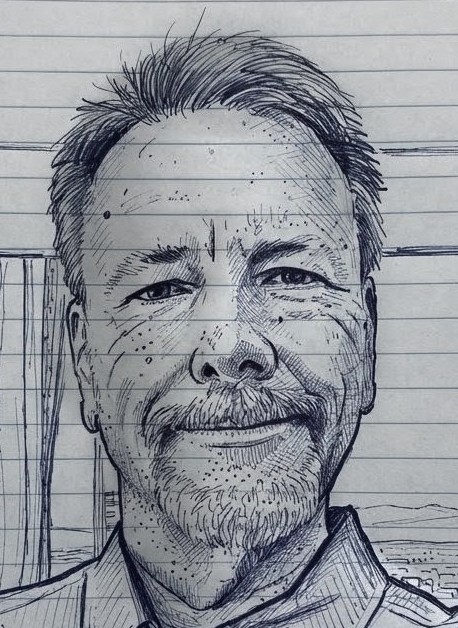
P. Douglas Lane
P. Douglas Lane is the author and creator of Relational Mechanics, an original framework for human relationships built on self-respect. His unique insights come from a lifetime of experience seen through the lens of his own undiagnosed autism and the crippling shyness created from it. His family dynamic was shaped by a long history of Asperger’s and the adoption of two special-needs children, which led to years of therapy. Along the way, many other disorders were identified, such as RAD, Bipolar, and ADHD, creating an environment where respect was constantly challenged and boundaries were nearly impossible to hold.
Looking back, he saw that his happiest and most successful years were built on respect, and his lowest years ran on self-esteem. That realization is where Relational Mechanics was born. Long-standing ideas about respect, value, boundaries, ego, empathy, and discipline have historically been treated as separate subjects, and his framework shows how they actually fit together. The tools he created in the process, the Room of Respect and the four Relational Value Levels, bridge those ideas and lay them over one another, explaining Respect, Fear, and Absence, and his later addition, Betrayal. At its center is one idea: respect for anyone else begins with how you value yourself, and the way forward is to adapt, from self-esteem to self-respect.
Over the years, he stepped into more than a thousand high-stakes confrontations across business, coaching, and family life, first as a corporate executive, then as a small business owner, and for more than three decades as a youth sports coach. He learned what actually disarms a defensive ego and calms real chaos.
Today, at sixty-two, P. Douglas lives in California and is bringing Relational Mechanics to a wider audience through speaking, workshops, and direct mentorship. Outside that work, he builds intricate miniatures and entire storybook worlds for his Airbnb guests, including dragon caves and walks through Wonderland.
He is the author of Relational Mechanics and We Love What We Value: Why the Victim Can’t, and How Self-Respect Ends It, both available now. The third book in the series, Relational Mechanics at Work, is coming soon.
Why this exists
You don’t give respect, and you don’t demand it. You develop it.
Most of what people are taught about worth is built on self-esteem: feel better about yourself and things will improve. Paul’s view is that self-respect does what self-esteem promised. The goal of these books is to move that conversation, starting with the people who help others for a living.


