
The End of Soft Excuses and the Return of Self-Respect
If you are looking for a gentle book that teaches you how to ‘hold space,’ write long emotional letters to people who treat you poorly, or patiently wait for a disrespectful person to wake up and recognize your worth, put this down right now.
This is not that book.
For decades, the self-help industry and popular culture have fed us a steady diet of soft, passive excuses. We have been told that every conflict is just a ‘misunderstanding,’ that every toxic behavior can be fixed with ‘better communication,’ and that if we just make ourselves softer, more patient, and endlessly forgiving, the people destroying our peace will magically change.
It is a lie. And it has left millions of good, well-meaning people trapped in years of walking on eggshells.
The real world does not run on wishful thinking. In business leadership, in military service, and in the quiet privacy of our homes, life does not function on vague intentions, it runs on personal responsibility, clear priorities, and firm boundaries.
When you treat a chronic boundary-violator with soft, endless patience, they do not feel respected; they feel invited to take more. Down deep, they do not see your patience as kindness, they see it as weakness, and eventually they will let you do all the heavy emotional work. People respect strength. Always have, always will.
Relational Mechanics was born out of a simple, uncomfortable truth: you cannot negotiate your basic dignity like an inmate pleading with a warden, or worse, like a hostage dealing with a captor.
This book is a direct, practical guide for your life. It was not written in an academic ivory tower or pulled from theoretical research papers; it was forged through executive leadership, two decades of business ownership, complex family dynamics, and the heavy, unyielding reality of profound human loss. The framework inside these pages strips away the fluff and replaces it with honest, actionable truth:
- You will not learn how to play emotional games, manipulate others, or lash out in revenge.
- You will learn how to find your footing, state your boundaries clearly, and carry yourself with quiet, unshakeable self-respect.
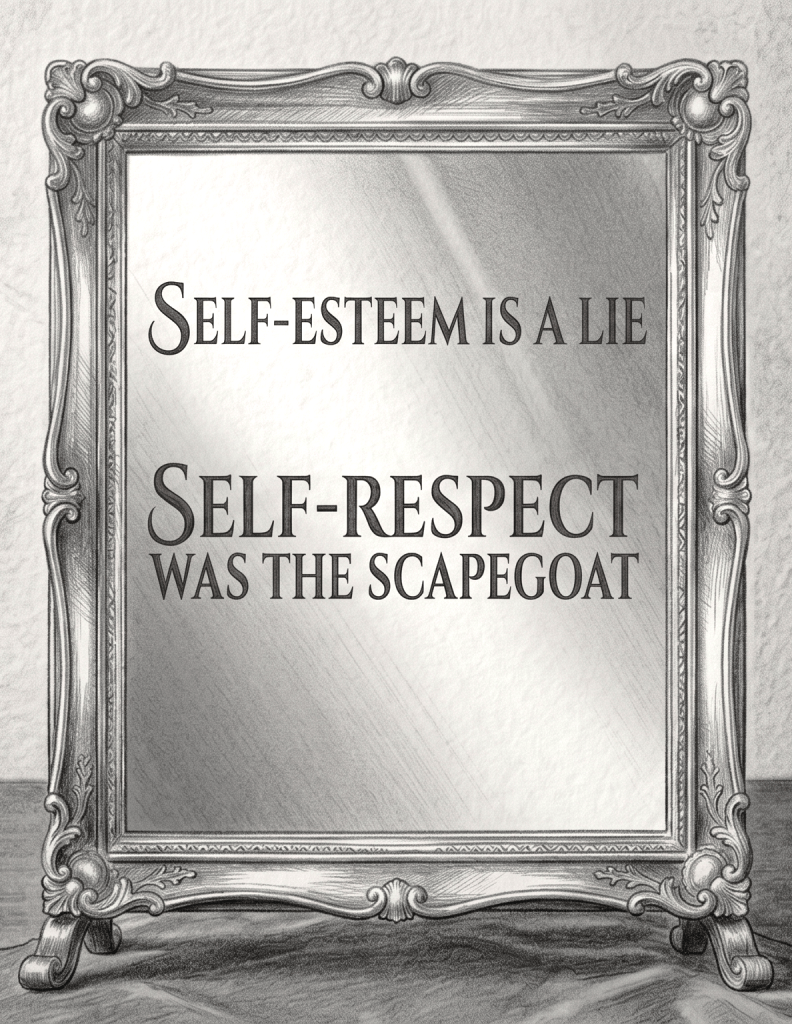
- You will step away from the fragile mirror of self-esteem, where you spend your life begging others for approval, and plant your feet on the solid ground of self-respect.
- You will learn the critical difference between simple courtesy and true mutual respect.
- You will understand why speaking with direct personal ownership, ‘I,’ not ‘We,’ is the foundation of personal integrity.
- And when your relationships are tested, you will know how to present every failing dynamic with the ultimate law of relational survival: ADAPT, MIGRATE, OR DIE.
Whether you are working to rebuild peace in your marriage, establish order in your household, set boundaries with overbearing extended family, or simply find your voice after decades of keeping quiet to avoid conflict, this book is your blueprint.
Stop apologizing for setting boundaries. Stop asking for permission to live a peaceful life.
Welcome to Relational Mechanics.
Inside the Framework
- Respect, Fear, and Absence: The fundamental triad running underneath every human connection.
- Adapt, Migrate, or Die: The ultimate law of relational survival.
- Remorse, Regret, and Amends: Crucial for overcoming inevitable mistakes.
- Boundaries vs. Standards vs. Suggestions: The critical difference between active lines of defense and passive wishes.
- Value and Values: Values are not set, but change depending on what and how we value our needs and situation at the time.
- The Emotional Piggy Bank: The internal ledger of goodwill that cools the ego and sustains mutual value.
- Encore: A direct translation of neuro-autistic communication and the safe space paradox.

